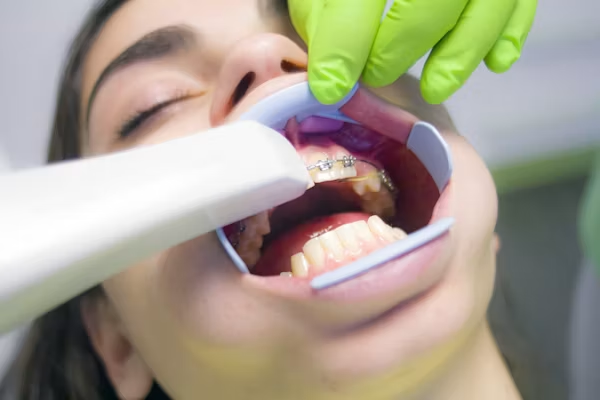
Traditional braces have been transforming smiles for decades. While newer options like clear aligners have gained popularity, traditional braces remain one of the most effective and reliable orthodontic treatments available. They can correct even the most complex dental issues and give you a beautiful, straight smile.
In this comprehensive guide, I'll walk you through everything you need to know about traditional braces — from the different types available to the treatment process, costs, and aftercare.
What Are Traditional Braces?
Traditional braces consist of three main components:
- Brackets: Small squares bonded to each tooth that hold the archwire
- Archwire: A thin metal wire that runs through the brackets and applies gentle pressure to guide teeth into position
- Elastics (O-rings): Small rubber bands that hold the archwire in place
Modern braces are more comfortable and less noticeable than ever before. They work by applying continuous, gentle pressure to gradually move teeth into their ideal positions over time.
Types of Traditional Braces
Metal Braces
The most common and affordable option. Made of high-grade stainless steel, they are durable and effective for all types of cases.
Ceramic Braces
Made of clear or tooth-coloured material, they blend in with your teeth for a less noticeable appearance. Popular among adults.
Lingual Braces
Placed on the back of your teeth, making them completely invisible from the outside. Suitable for patients who want total discretion.
Self-Ligating Braces
Use a special clip instead of elastics to hold the archwire. This reduces friction and can shorten treatment time.
The Braces Procedure: Step by Step
- Consultation and Examination: We'll take X-rays, photos, and impressions of your teeth to create a custom treatment plan.
- Bonding: The brackets are bonded to each tooth using a special dental adhesive.
- Placing the Archwire: The archwire is threaded through the brackets and secured with elastics.
- Adjustments: You'll visit our clinic every 4-6 weeks for adjustments. The archwire is tightened or replaced to continue guiding your teeth.
- Debonding: Once your teeth have moved into their ideal positions, the braces are removed.
- Retainers: You'll wear a retainer to maintain your new smile while your teeth stabilize.
Benefits of Traditional Braces
- Highly effective: Can treat complex cases that aligners cannot
- Predictable results: Proven track record of successful outcomes
- No compliance issues: Braces work 24/7 without requiring patient discipline
- Cost-effective: More affordable than clear aligners for complex cases
- Durable: Can withstand daily wear and tear
- Available for all ages: Suitable for children, teens, and adults
What to Expect During Treatment
Initial Discomfort
You may experience some soreness and discomfort when your braces are first placed and after each adjustment. This is normal and usually subsides within a few days. Over-the-counter pain relievers and soft foods can help.
Eating with Braces
You'll need to avoid certain foods that can damage your braces:
- Avoid: Hard candies, nuts, popcorn, chewing gum, sticky foods, and hard crust bread
- Safe foods: Soft fruits, cooked vegetables, pasta, yogurt, and soups
- Cut food: Cut hard foods like apples and carrots into small pieces before eating
Oral Hygiene with Braces
Keeping your teeth clean is especially important during orthodontic treatment. Here are some tips:
- Brush after every meal: Use a soft-bristled toothbrush and fluoride toothpaste
- Use an interdental brush: Clean between brackets and under wires
- Floss with a floss threader: Regular flossing is difficult with braces, but floss threaders make it easier
- Use a water flosser: An excellent tool for removing food particles around brackets
- Regular cleanings: Continue your regular dental cleanings every 6 months
Treatment Time
The average treatment time with traditional braces is 18 to 36 months, depending on the severity of your case. Factors that affect treatment time include:
- Your age
- The complexity of your case
- Your compliance with appointments
- How well you maintain oral hygiene
Cost of Traditional Braces
The cost of braces varies depending on several factors:
- Type of braces: Metal braces are the most affordable, ceramic and lingual braces cost more
- Treatment duration: Longer treatments typically cost more
- Geographic location: Costs vary by region
- Insurance coverage: Many dental insurance plans cover a portion of orthodontic treatment
At Aura Dental Studio, we offer flexible payment plans to make treatment accessible. Contact us for a personalized quote.
Frequently Asked Questions
Q: At what age can I get braces?
A: Braces can be placed at any age. While many patients start treatment during adolescence, adults can also benefit from orthodontic treatment.
Q: Do braces hurt?
A: You may experience some discomfort after initial placement and after adjustments. This usually subsides within 3-5 days.
Q: Can I play sports with braces?
A: Yes, but you should wear a mouthguard to protect your braces and teeth from injury.
Q: How often do I need appointments?
A: Typically every 4-6 weeks for adjustments. Regular visits are essential for successful treatment.
Q: Will braces affect my speech?
A: Some patients may experience a temporary lisp or difficulty pronouncing certain words. This usually resolves within a few days as you get used to your braces.
My Professional Recommendation
Traditional braces remain one of the most effective orthodontic treatments available. While clear aligners are a great option for mild to moderate cases, traditional braces are often the best choice for complex alignment issues.
If you're considering orthodontic treatment, I encourage you to schedule a consultation with our team. We'll evaluate your specific needs and recommend the best treatment option for you.
← Back to Blog