Few dental procedures carry as much anxiety and misconception as the root canal. But here's the truth: modern root canal therapy is a painless, highly effective treatment that can save a severely damaged tooth and relieve pain — not cause it.
In this comprehensive guide, I'll explain what a root canal really is, debunk common myths, and walk you through the entire process step by step.
What Is a Root Canal?
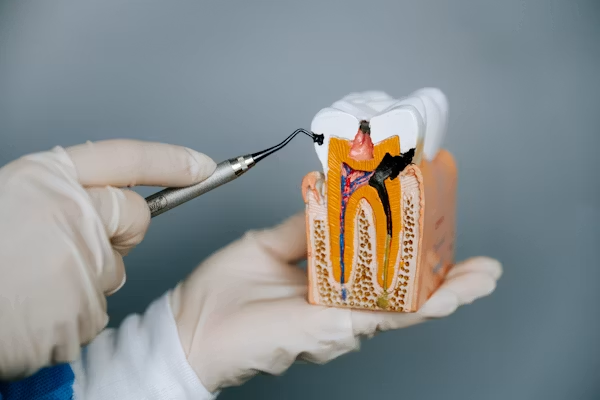
A root canal is a dental procedure that removes infected or damaged pulp from inside your tooth. The pulp contains nerves, blood vessels, and connective tissue. When it becomes infected due to deep decay, cracks, or trauma, it needs to be removed to save the tooth.
After removing the infected pulp, the tooth is cleaned, disinfected, filled, and sealed. Most importantly, you'll have a natural-looking crown placed on top to protect it and restore full function.
Common Myths About Root Canals
Myth 1: Root Canals Are Painful
Fact: The pain comes from the infection, not the treatment. Modern root canal therapy is performed under local anesthesia and is no more uncomfortable than getting a filling. Most patients report feeling relief immediately after the procedure.
Myth 2: Root Canals Cause Illness
Fact: There's no scientific evidence linking root canal treatment to systemic diseases. This myth originated from outdated research in the 1920s and has been thoroughly debunked.
Myth 3: It's Better to Extract the Tooth
Fact: Saving your natural tooth is always the best option when possible. Extracting a tooth can lead to bone loss, shifting teeth, and difficulty chewing, and requires expensive replacements like implants or bridges.
When Do You Need a Root Canal?
You may need a root canal if you experience:
- Severe tooth pain when chewing or applying pressure
- Prolonged sensitivity to hot or cold temperatures
- Darkening or discoloration of the tooth
- Swelling or tenderness in the surrounding gums
- Pimple-like bumps on the gums (indicating infection)
Step-by-Step Root Canal Procedure
- Examination and X-ray: We'll take X-rays to assess the extent of the infection and plan the procedure.
- Local Anesthesia: The area around the tooth is numbed to ensure you're comfortable throughout the treatment.
- Isolation: A rubber dam is placed around the tooth to keep it clean and dry during the procedure.
- Access Opening: A small opening is made in the top of the tooth to access the pulp chamber.
- Removing Infected Pulp: Tiny instruments are used to carefully remove the infected pulp from the root canals.
- Cleaning and Shaping: The canals are cleaned, disinfected, and shaped to prepare them for filling.
- Filling the Canals: The canals are filled with a biocompatible material called gutta-percha.
- Sealing the Tooth: The opening is sealed with a temporary or permanent filling.
- Placing the Crown: A custom-made crown is placed over the tooth to restore its appearance and function.
Aftercare and Recovery
After your root canal, you may experience some mild discomfort for a few days. Here's how to ensure a smooth recovery:
- Pain relief: Over-the-counter pain relievers can manage any minor discomfort
- Soft foods: Stick to soft foods for the first few days
- Oral hygiene: Continue brushing and flossing, but be gentle around the treated area
- Follow-up: Return to complete the crown placement (if not done same day)
- Avoid chewing: Avoid chewing on the treated side until your crown is placed
Frequently Asked Questions
Q: How long does a root canal take?
A: Most root canals take 1-2 hours. Complex cases may require two appointments.
Q: How long does the tooth last after a root canal?
A: With proper care and a good crown, a root canal-treated tooth can last a lifetime.
Q: Is it safe during pregnancy?
A: Yes, root canal treatment is safe during pregnancy. However, it's best to avoid unnecessary procedures during the first trimester.
Q: What if I don't get a crown?
A: Without a crown, the tooth is vulnerable to fracture. A crown protects and strengthens the tooth after a root canal.
My Professional Recommendation
Root canal therapy is a safe, effective way to save your natural tooth and relieve pain. As a dentist, I believe in preserving natural teeth whenever possible, and root canal treatment is one of the most successful procedures we offer.
If you're experiencing tooth pain or have been told you need a root canal, don't delay. Schedule a consultation with our team to discuss your options and get the care you need.
← Back to Blog